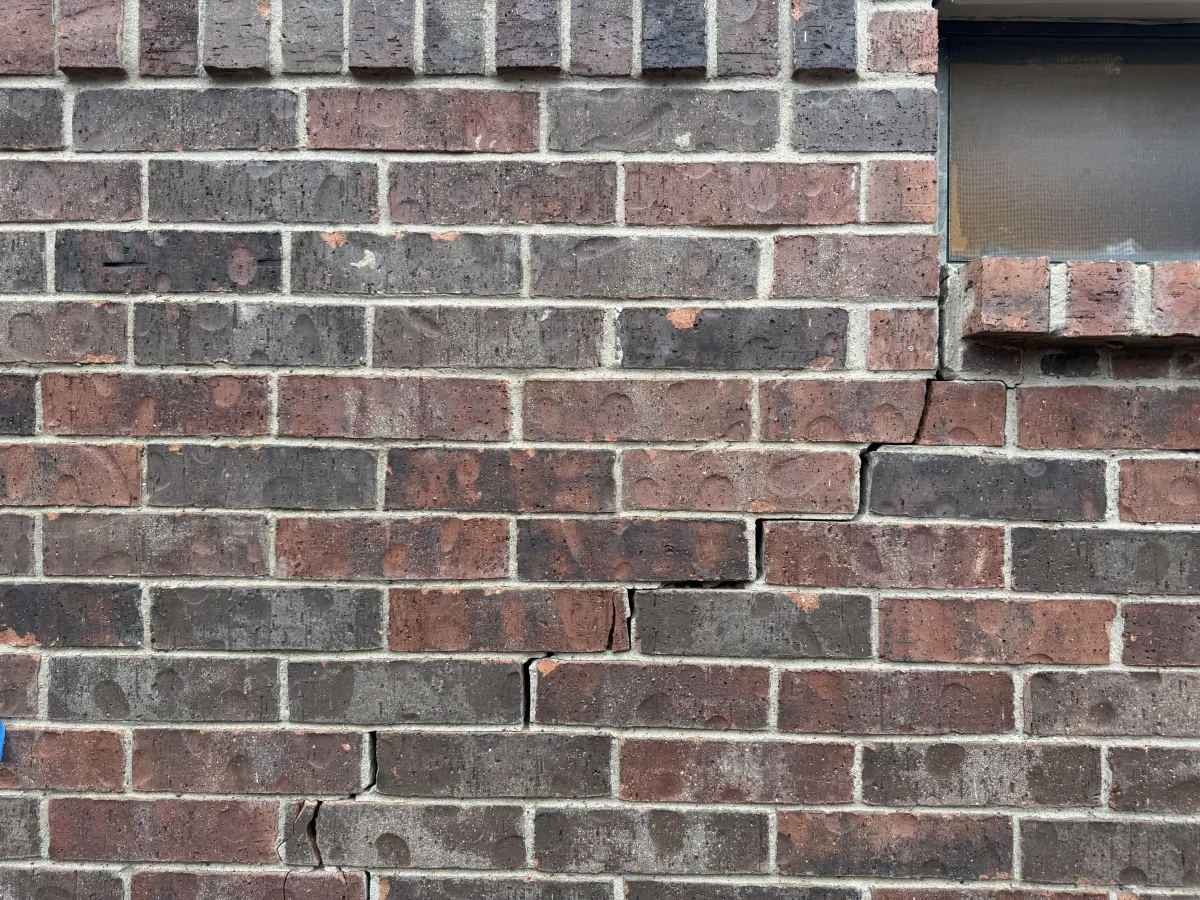
Why Are Cracks Appearing in My Brick or Drywall?
Noticing cracks in your walls, ceilings, brick, or drywall can be unsettling for any homeowner. While some cracks are cosmetic and part of normal home settling, others may signal foundation movement that needs professional attention.
Understanding what causes cracks—and knowing which ones are harmless versus serious—can help you decide when it’s time to call for a foundation inspection.
What Causes Cracks in Drywall or Brick?
Homes naturally move over time. Soil expands and contracts, temperatures change, moisture levels shift, and building materials respond to pressure. These forces can create visible cracking in drywall, brick, stucco, and concrete.
Common causes include:
- Normal settling in newer homes
- Seasonal temperature changes
- Moisture changes in soil
- Poor drainage around the foundation
- Tree roots drawing moisture from soil
- Expansive clay soils
- Foundation settlement or heaving
The challenge is determining whether the crack is cosmetic or structural.
Understanding Expansion vs. Compression Cracks in Drywall
Not all drywall cracks mean the same thing. The direction, width, and location of a crack can reveal what kind of stress your home is experiencing.
Expansion Cracks
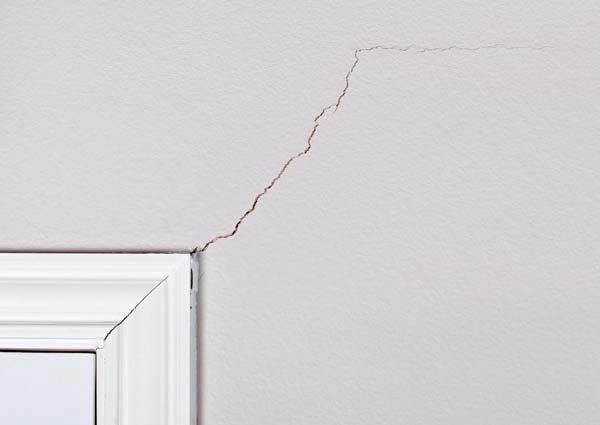
Expansion cracks happen when building materials pull apart due to movement or tension.
This often occurs when:
- Soil beneath the home dries out and shrinks
- Parts of the foundation settle unevenly
- Seasonal changes cause framing materials to shift
Common signs of expansion cracks:
- Thin vertical or diagonal cracks
- Cracks extending from corners of doors and windows
- Gaps where drywall seams begin separating
- Cracks that widen over time
Expansion cracks are typically caused by tension—meaning one area of the home is being pulled away from another.
For example, if one side of your foundation sinks slightly, drywall may stretch until it cracks.
Compression Cracks
Compression cracks occur when materials are pushed together under pressure.
This often happens when:
- Expansive soil absorbs moisture and swells
- Foundation sections heave upward
- Structural components are forced inward
Common signs of compression cracks:
- Drywall appears buckled, wrinkled, or raised
- Cracks may look crushed rather than separated
- Bulging walls or uneven surfaces
- Horizontal stress lines in some cases
Compression damage happens when parts of the home are under force, essentially squeezing materials until they fail.
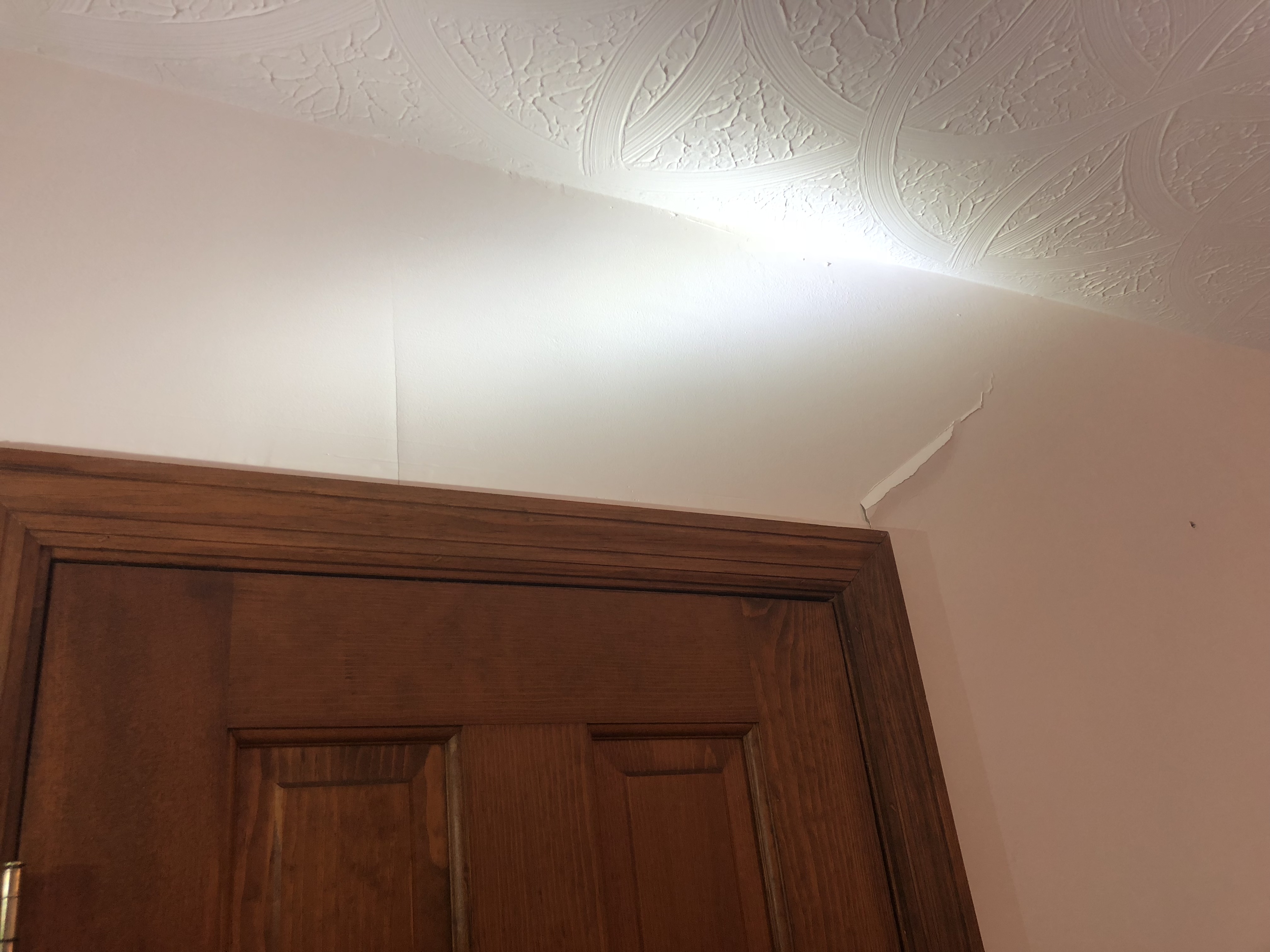
Think of it like pushing both ends of a piece of drywall toward the center—it has nowhere to go, so it compresses and distorts.
When Are Cracks a Sign of Foundation Problems?
You should pay closer attention if cracks are accompanied by other symptoms such as:
- Doors or windows sticking
- Sloping or uneven floors
- Gaps between walls and ceilings
- Exterior brick cracks in stair-step patterns
- Separation around garage doors
- Cracks wider than 1/8 inch
- Cracks that continue growing
A single hairline crack is usually less concerning than multiple cracks appearing throughout the home.
Brick Cracks: What to Watch For
Exterior brick can tell an important story about foundation movement.
More concerning brick crack patterns include:
Stair-Step Cracks:
These follow mortar joints in a stair-step pattern and often indicate differential settlement.
Vertical Cracks:
May suggest settlement below a concentrated load point.
Horizontal Cracks:
Can sometimes indicate significant pressure or wall movement and should be evaluated promptly.
Can Cosmetic Repairs Fix the Problem?
Patching drywall or filling brick cracks only addresses the symptom—not the cause.
If foundation movement is active, repaired cracks often return.
Before investing in cosmetic repairs, it’s important to identify whether structural movement is still occurring.
When to Schedule a Foundation Inspection
If you’re seeing recurring cracks, widening cracks, or cracks paired with sticking doors, sloping floors, or exterior brick separation, a professional foundation inspection can help determine the cause.
At Pro-Select Foundation Repairs, we evaluate crack patterns, elevation changes, drainage conditions, and foundation performance to identify whether repairs are needed—or if the issue is simply cosmetic. Give us a call at (817) 542-0313 or fill out a contact inquiry here for a free professional evaluation of your homes foundation.
Final Thoughts
Cracks in drywall or brick aren’t always cause for alarm, but they should never be ignored.
Expansion cracks usually indicate pulling or settling forces, while compression cracks suggest pressure or upward movement. Understanding the difference can help homeowners catch foundation issues early before they become more costly.
If you’re unsure whether the cracks in your home are cosmetic or structural, Pro-Select Foundation Repairs can help assess the issue and recommend the right next steps.
