Understanding Different Types of North Texas Soil
Understanding Soil Types in the Dallas-Fort Worth Area and How They Affect Your Home’s Foundation
If you own a home in the Dallas-Fort Worth area, your foundation is constantly affected by something many homeowners never think about: the soil beneath your home.
North Texas is known for having some of the most challenging soil conditions in the country. Different soil types expand, contract, shift, and drain differently—all of which can directly impact your home’s foundation over time. Understanding what’s under your home can help you spot potential issues early and protect your investment.
Why Soil Matters to Your Foundation
Your home’s foundation relies on stable soil for support. When the ground beneath your home changes, your foundation can move with it.
Soil movement is typically caused by:
Changes in moisture levels
Seasonal droughts and heavy rain
Poor drainage
Tree roots absorbing moisture
Improper grading around the home
In the Dallas-Fort Worth area, these factors are especially important because of the region’s expansive clay soils.
Common Soil Types in Dallas-Fort Worth
1. Expansive Clay Soil
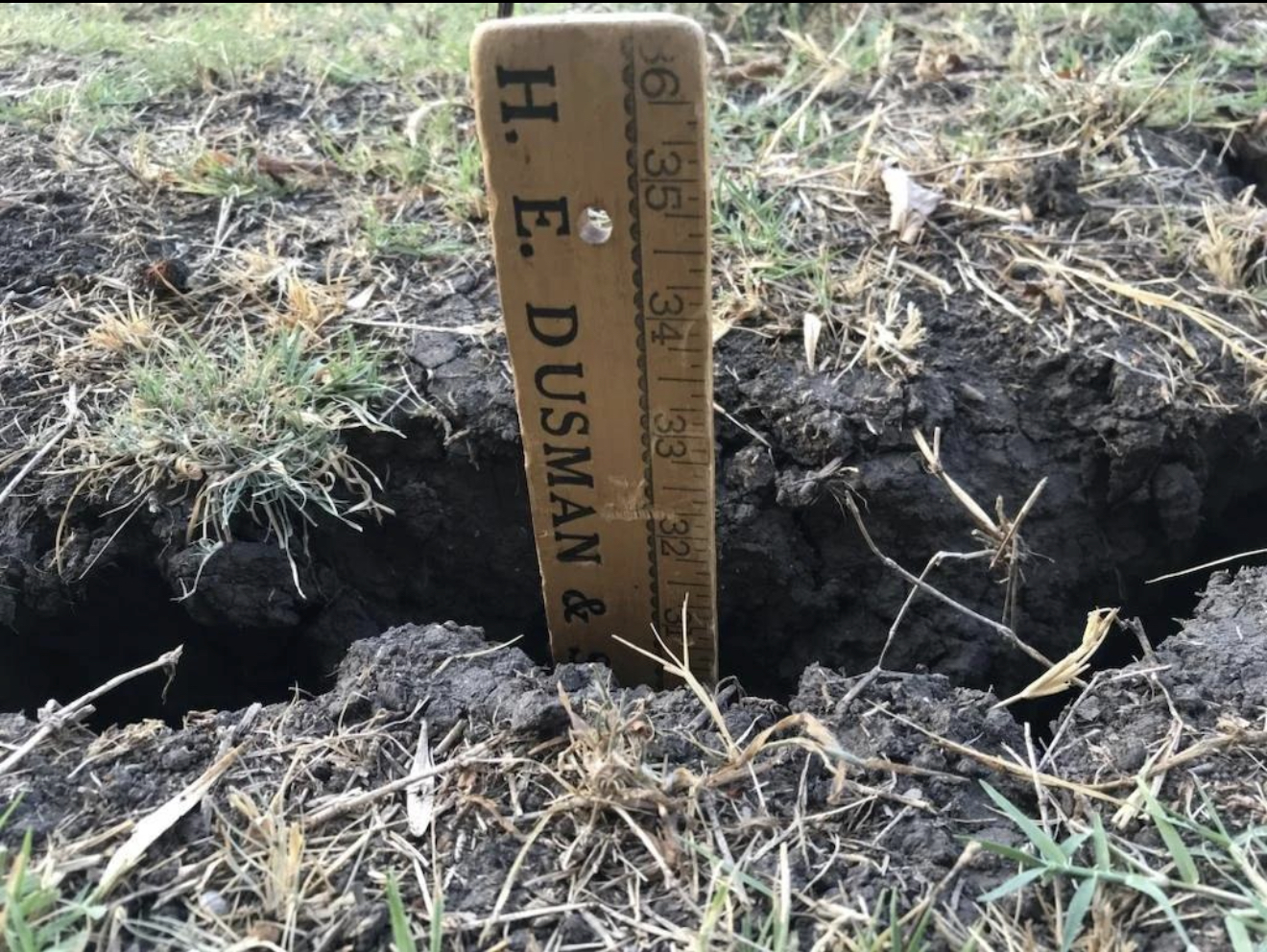
Clay soil is the most common—and often the most problematic—soil type in North Texas.
Clay absorbs water and swells when wet, then shrinks dramatically during dry conditions. This repeated cycle of expansion and contraction creates movement beneath your foundation, which can cause:
Foundation settling
Slab movement
Cracks in walls and brick
Uneven floors
Doors and windows sticking
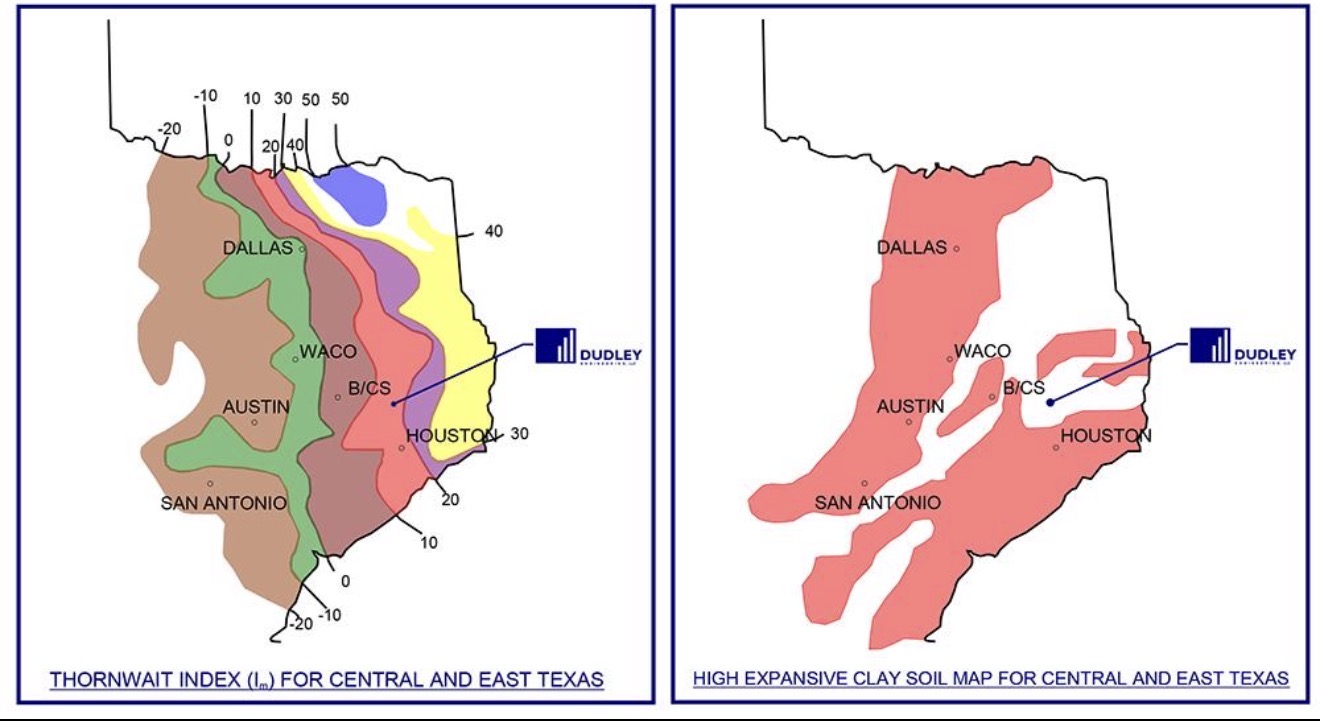
Much of Dallas, Fort Worth, Arlington, Plano, Frisco, and surrounding areas sit on highly expansive clay soils, making foundation movement a common issue for homeowners.
2. Sandy Soil
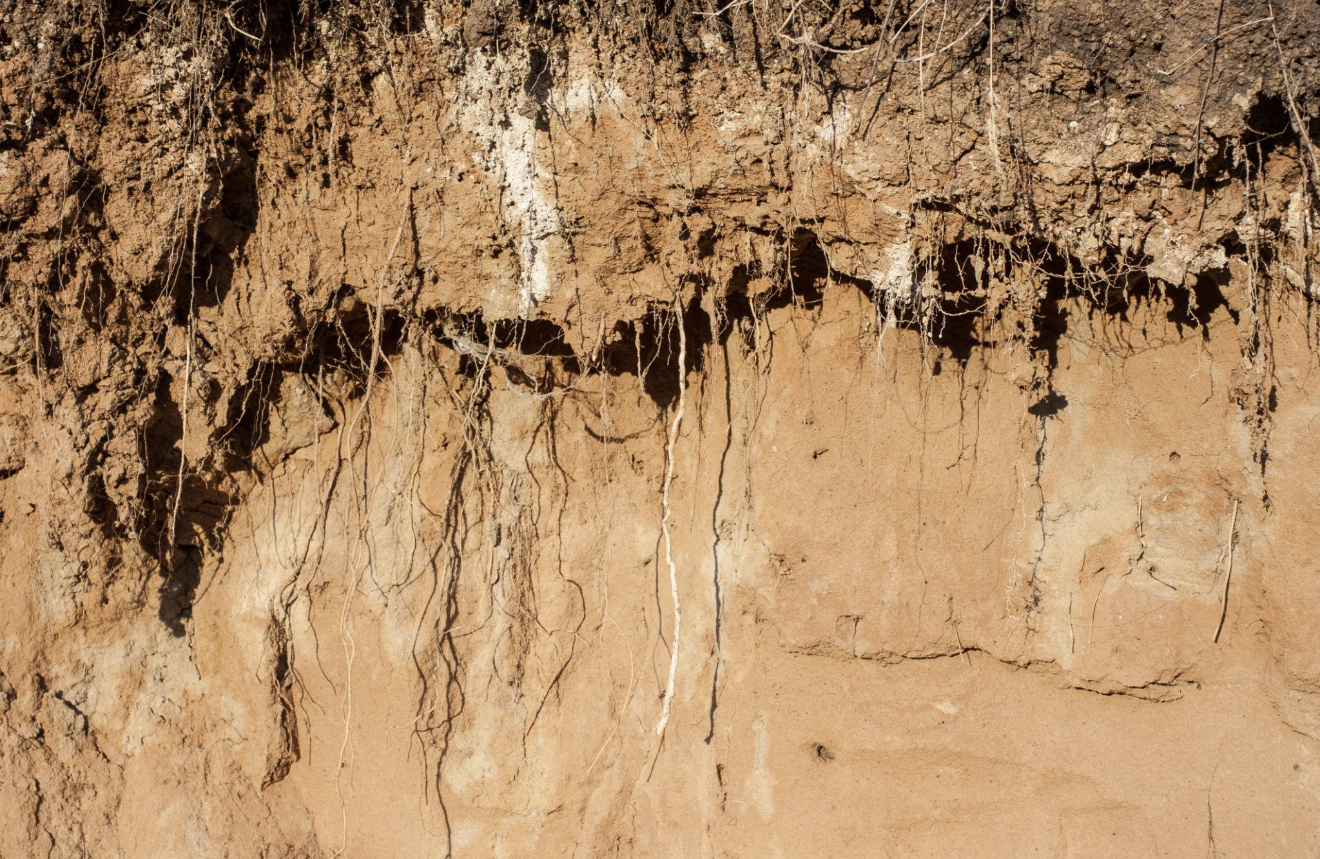
Sandy soil drains water quickly and typically doesn’t expand like clay.
While this may sound ideal, sandy soil can still create problems. Because it drains so easily, water can wash away supporting material beneath a foundation, leading to:
Soil erosion
Voids beneath concrete slabs
Foundation settling
Homes in areas with sandy or sandy-loam soils may experience differential settlement if drainage is poor.
3. Loam Soil
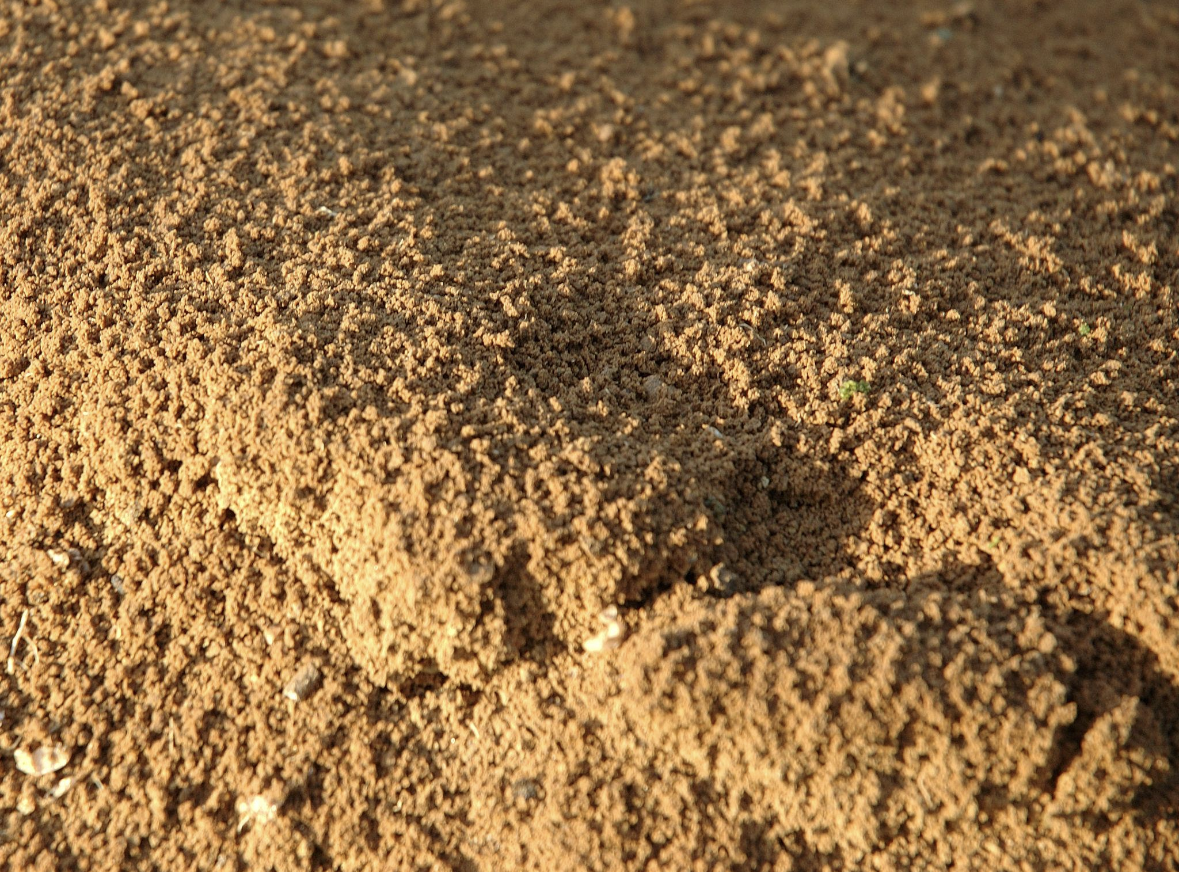
Loam is a balanced mixture of sand, silt, and clay. It is generally considered one of the better soil types for foundations because it offers:
Better drainage than clay
More stability than sand alone
Moderate moisture retention
However, even loam soils can become unstable if grading or drainage issues allow water to collect near the foundation.
4. Silt Soil
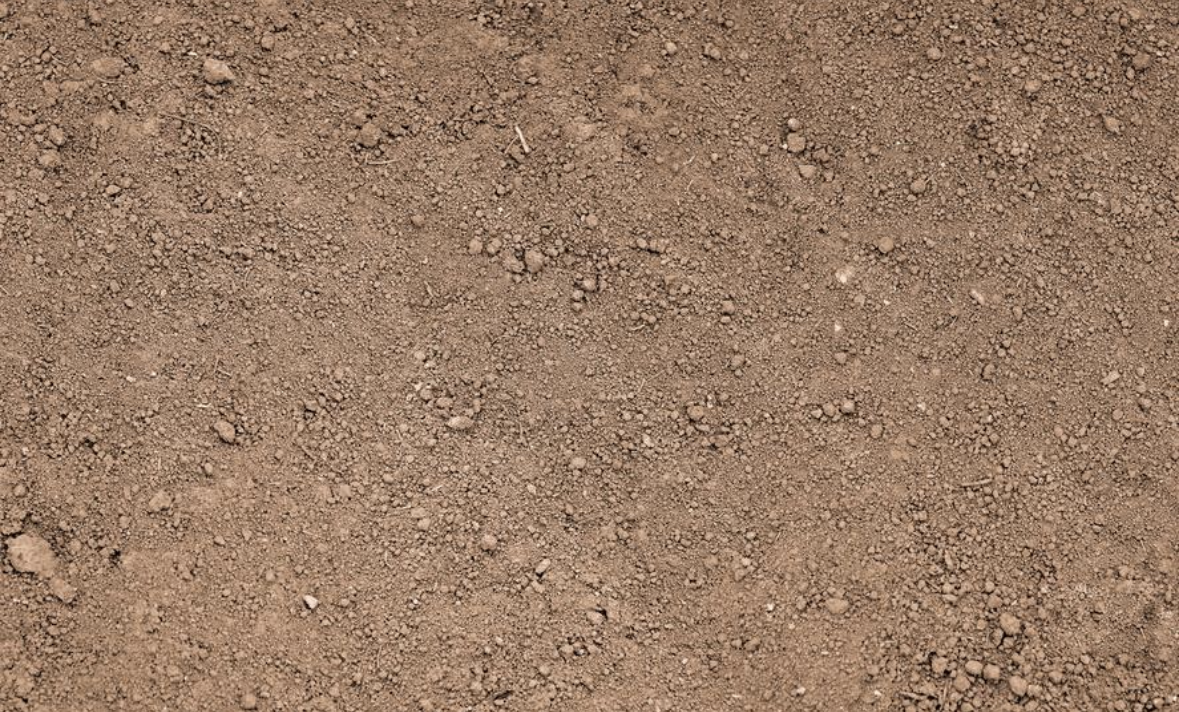
Silt has finer particles than sand but drains more slowly.
This soil can become unstable when oversaturated, leading to:
Soil shifting
Poor load support
Settlement issues
Although less common than clay in DFW, silt can contribute to moisture-related foundation problems when combined with drainage concerns.
5. Fill Soil
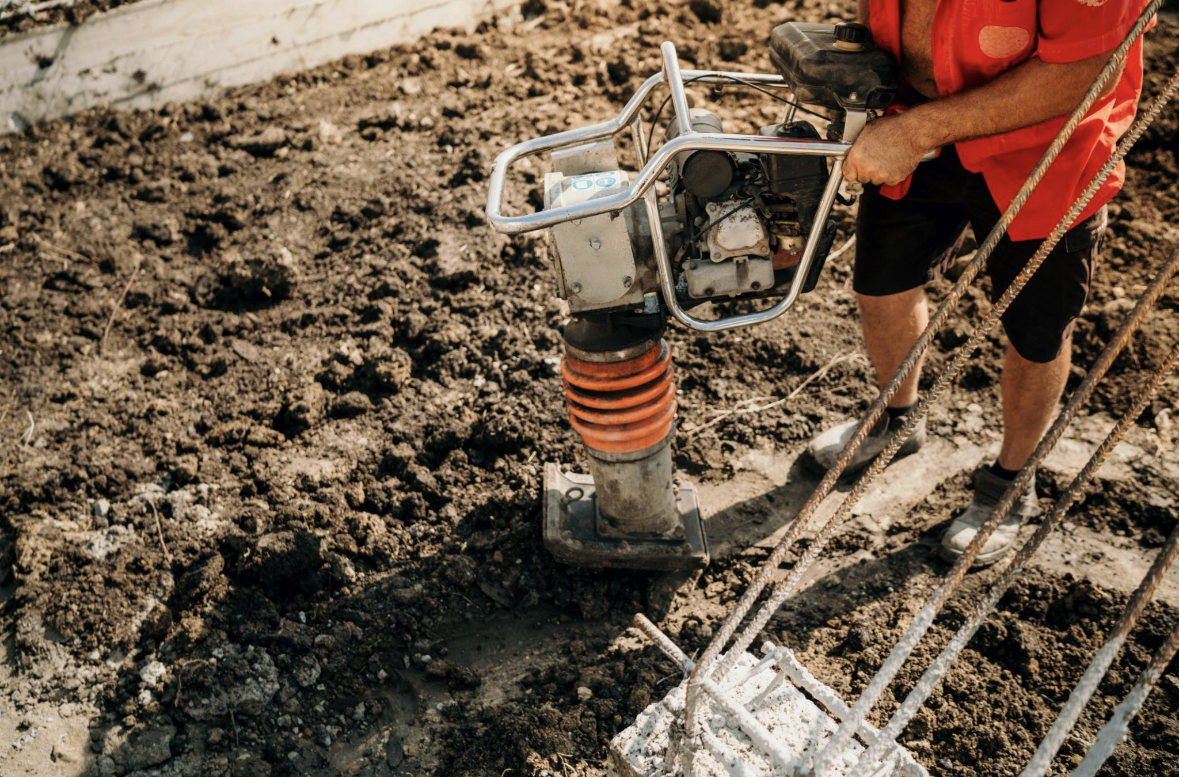
Some homes are built on fill soil, which is soil moved and compacted during construction.
If fill soil is not properly compacted, it can settle unevenly over time, causing:
Foundation settlement
Cracking
Sloping floors
Structural movement
Newer developments in rapidly growing DFW suburbs may be more likely to have homes built on engineered or fill soils.
Signs Your Soil May Be Affecting Your Foundation
Because soil movement often happens gradually, homeowners may not notice problems until visible signs appear.
Watch for:
Cracks in drywall or ceilings
Exterior brick cracks
Gaps around windows or doors
Doors that won’t close properly
Sloping or uneven floors
Separation between walls and trim
If you notice these warning signs, it may be time for a professional foundation inspection.
How to Protect Your Foundation in North Texas
While you can’t change your soil type, you can reduce foundation risk by managing moisture around your home.
Maintain Consistent Moisture
Clay soils perform best when moisture levels stay relatively stable. During dry periods, watering your foundation can help minimize soil shrinkage.
Improve Drainage
Keep water moving away from your home with:
Proper grading
Functional gutters and downspouts
French drains or surface drains when needed
Manage Trees and Landscaping
Large trees can pull moisture from soil near your home. Strategic watering and root management can help reduce uneven drying.
Schedule Foundation Inspections
Routine inspections can catch minor movement before it becomes a costly repair.
Trust Pro-Select Foundation Repairs for Expert Foundation Solutions
The unique soil conditions in the Dallas-Fort Worth area make foundation issues common—but manageable with the right expertise.
At Pro-Select Foundation Repairs, we understand North Texas soils and how they impact homes throughout Dallas, Fort Worth, and surrounding communities. Whether you’re noticing cracks, settlement, or drainage concerns, our team provides honest assessments and effective repair solutions designed for local conditions.
Concerned about your foundation? Contact Pro-Select Foundation Repairs today at (817) 542-0313 for a professional evaluation.
